Some students’ love for sports is instantly noticeable, you sit down with them to talk for five minutes, and within the first five minutes it’s obvious they love sports. Not casually. Seriously. They know way more about fitness science than most of the adults you meet , they follow athletic performance religiously , they could talk about what makes a good coach for an hour without taking a break. And then they say, almost apologetically, but I know I can’t really make a career out of this.
But why not, though?
Careers in sports and fitness are not reserved for people who made it as professional athletes. That’s actually the smallest, most competitive corner of the whole field. The coaches, the sports psychologists, the physiotherapists, the nutritionists, the managers handling sponsorships and contracts, the wellness entrepreneurs, the strength and conditioning specialists, all of them built real careers here without ever playing at a professional level.
Why This Moment Is Actually Different
Ten years ago, a career in sports management or wellness in India would have raised polite skeptical eyebrows in most families. The infrastructure wasn’t really there. The money wasn’t there. The leagues weren’t there.
That changed. Significantly.
The IPL turned cricket into a proper business model with real operations and real hiring. The ISL, Pro Kabaddi, basketball leagues, they followed in their footsteps. Fitness exploded through gyms, apps, YouTube channels, and a post-pandemic shift in how seriously people take their health. Corporate wellness programs went from optional to expected inside large organizations.
Sports career options that genuinely didn’t exist a decade ago are actual jobs now. And India is still early in this curve, which means students entering this space today are entering at a good time.

Sports Management: The Business Behind the Game
The truth is every league, every team, every major sporting event that we witness today is a business underneath the spectacle. Someone negotiates the sponsorship deals for the team or the independent athletes. Someone manages the athlete contracts. Someone handles event logistics, media rights, fan experience, merchandise, brand partnerships and public image.
That someone is a sports manager. And this role has nothing to do with how good you were at playing the sport.
Sports career options in management are ideal for the people who are organized , business minded, and genuinely passionate about sport as an industry. A degree in sports management, business, or even law combined with real knowledge of how this world operates can open doors for exciting careers. The talent pipeline for this in India is still thin relative to demand, which means qualified people stand out fast.
Coaching and Performance: More Complicated Than It Looks
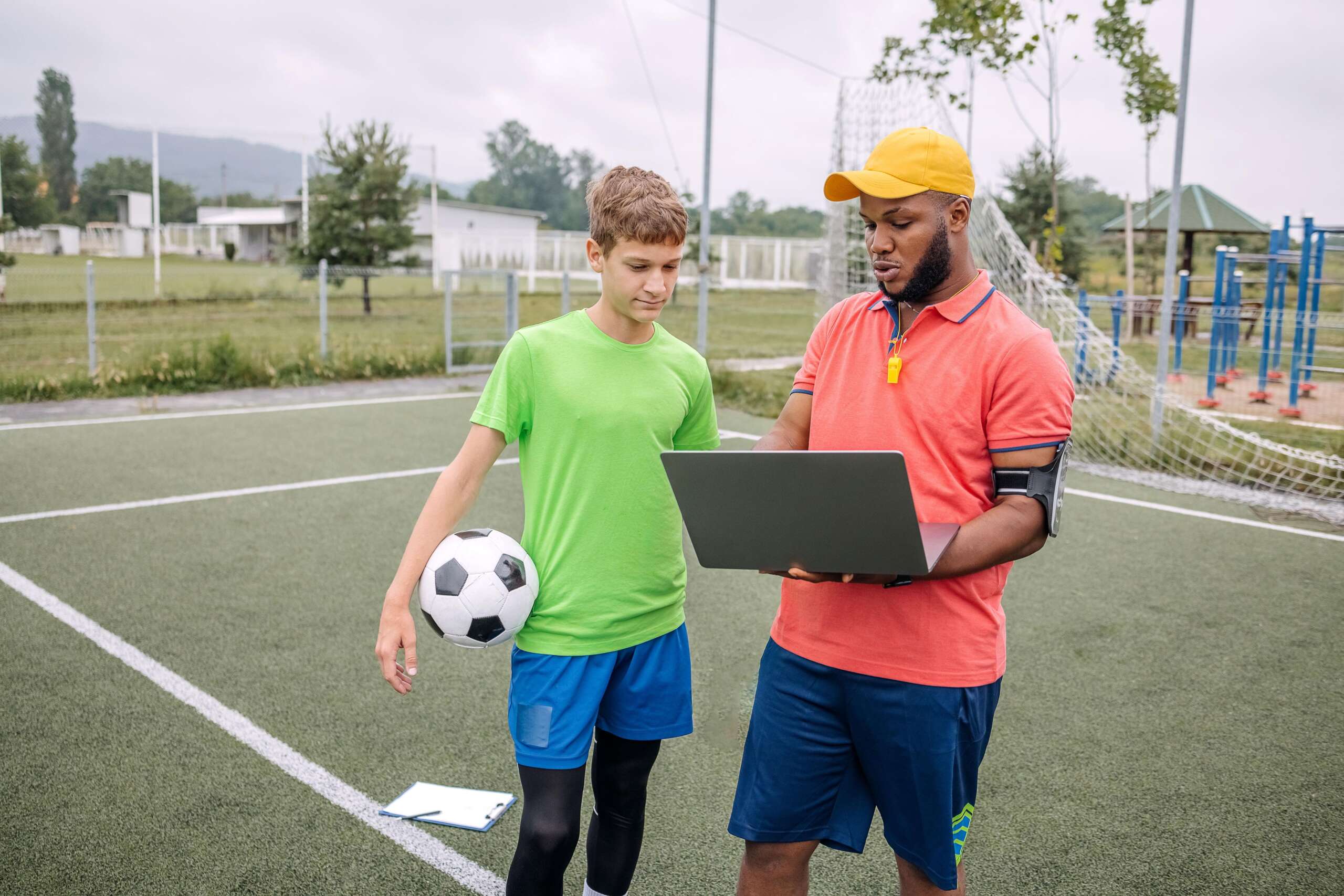
Being good coaches doesn’t mean one has to be a former athlete with years of experience. The really good ones understand learning theory, psychology, biomechanics, individual motivation, how to read a person on a bad day and adjust accordingly. That’s a real skill set that takes years to build.
Careers in sports and fitness through coaching range from grassroots youth development, which is massively underdeveloped in India and genuinely wide open, to high performance roles inside professional academies and national setups. Strength and conditioning is a growing specialization here too. S and C coaches combine exercise science, anatomy, and periodization programming to build athletic capacity and prevent injury. Universities are finally offering proper degree programs in this.
Sports Psychology: The Mental Side Is Real and Underserved
Performance anxiety. Losing form under pressure. Recovering psychologically from a serious injury. Managing team dynamics when things go wrong. These are challenges every athlete faces and most have nowhere to turn with them.
Sports psychologists exactly fill that gap. And careers in health and wellness through this route are growing faster than most people realize, especially as professional teams and national academies start recognizing that mental preparation matters as much as physical conditioning.
The path requires a foundation in clinical or counseling psychology and then sports-specific training and experience on top. It’s a longer road. But it’s a real one and it’s getting more real every year as the ecosystem matures.
Health and Wellness Beyond Sport
The wellness industry in India is genuinely enormous and expanding in every direction.
Personal training, yoga instruction, nutrition consulting, corporate wellness design, rehabilitation, health content, wellness apps. These are distinct career paths with distinct markets and distinct ways to build a reputation.
Careers in health and wellness outside strict sports contexts require specific certifications, sometimes degrees. Most importantly a real commitment to staying present and adaptable because the science in this space keeps moving. The landscape is less structured than traditional professions, which means more flexibility but also more noise. Credibility matters more here than credentials alone.
Sports Nutrition: Overlooked, Genuinely Important
This one doesn’t get enough attention.
What athletes eat, when they eat it, how their nutrition is periodized around training and competition, it has an enormous effect on performance, recovery, and how long a career lasts. Sports nutritionists design those strategies. They work with athletes from school level to elite professional.
The training path involves a degree in nutrition or dietetics and then sports-specific specialization. In India this is still a relatively young professional discipline, which means practitioners who build strong reputations now are positioning themselves well for a market that’s going to need a lot more of them.
Physiotherapy and Sports Rehabilitation
Athletes get injured. The physiotherapist is often the person who determines how complete the recovery is, not just whether the athlete walks again but whether they perform again.
Sports physiotherapy is a specialization within physio that focuses specifically on musculoskeletal injuries in athletic populations. Understanding how different sports stress different body systems, designing rehab that returns athletes to full performance rather than just basic function, identifying injury risk before it becomes injury through movement screening. These skills matter enormously.
A BPT degree is the foundation, followed by clinical experience and ideally postgraduate specialization. The demand for good sports physios in India genuinely isn’t being met right now. Growing professional sport plus growing fitness culture adds up to a real gap that qualified people can step into.
How to Actually Get Started
Build real knowledge in the specific area you’re drawn to. Get certified early, not at the end of your degree but alongside it. Do internships with sports organizations, gyms, wellness companies, physiotherapy clinics, wherever your interest actually sits. Volunteer with local teams or clubs. If content is your strength, build it.
Sports career options in India right now reward people who show initiative in a field that’s still building its professional infrastructure. Nobody is going to discover you sitting at home. But the students who are already doing something, anything real, when they finish studying consistently have an advantage over the ones who were waiting for permission.
At Hashtag Counseling, we work with students who love sport and wellness and want to build something real in this space. Which direction suits them, which training path makes sense, which early opportunities are worth pursuing first. Because passion is the starting point. It’s not the whole plan.
Frequently Asked Questions
Q1. Do I need to be a professional athlete for a sports career?
Not at all. Most roles in this field have nothing to do with playing professionally.
Q2. Are sports careers financially stable in India now?
Yes, and growing. Management, physiotherapy, coaching, and wellness are all expanding.
Q3. What should I study for sports management?
Sports management, business, or law paired with real industry exposure and knowledge.
Q4. Is sports psychology actually being hired for in India?
Yes. Professional teams and national academies are bringing sports psychologists in.