Imagine being told in 2005 to prepare for a career as a “social media manager” or an “app developer.” Most people would have dismissed it as unrealistic. Yet today, these roles employ millions across the world.
Now fast forward to the present. We are standing at an even more dramatic turning point.
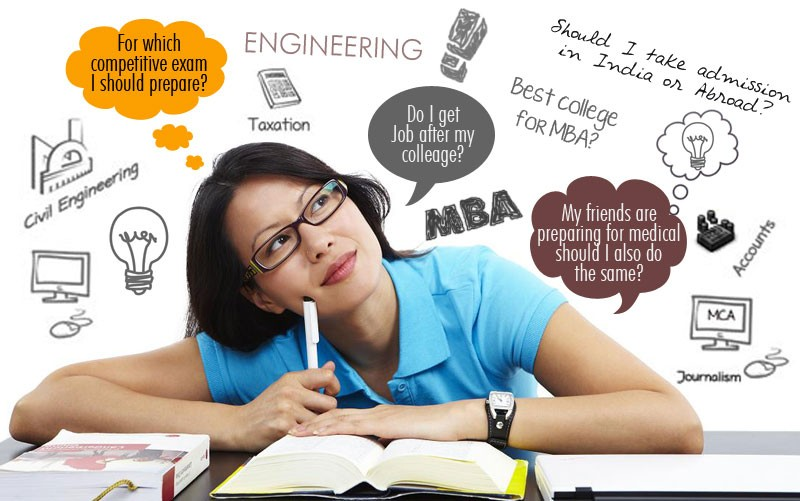
Artificial Intelligence is no longer a futuristic concept or a niche technology—it is actively reshaping industries, redefining job roles, and creating entirely new career paths that traditional education systems haven’t yet adapted to. For Indian students navigating board exams, stream choices, entrance tests, and societal expectations, this creates a pressing and often overwhelming question:
If the jobs of the future don’t exist yet, how do you prepare for them?
At Hashtag Counselling, this is a question we encounter every day. Students and parents alike are trying to make sense of a rapidly evolving landscape. The goal of this blog is to simplify that complexity—by understanding what AI is doing to careers, identifying which roles are evolving or declining, and outlining what students can do today to stay ahead.
Understanding How AI Is Reshaping the Job Career Market
AI is not impacting careers in just one way—it is transforming the job market across three major dimensions.
First, it is automating repetitive work. Tasks that follow predictable patterns—such as data entry, basic customer support, routine accounting, or standard documentation—are increasingly being handled by machines faster and more efficiently than humans.
Second, AI is augmenting human capability. In many professions, it is not replacing people but enhancing their productivity. Doctors use AI for better diagnostics, designers use it for faster ideation, and analysts rely on it to process large datasets. In such cases, AI raises the bar—it doesn’t remove the human element.
Third, and perhaps most importantly, AI is creating entirely new careers. Roles such as AI ethics specialists, prompt engineers, and machine learning trainers didn’t exist a decade ago. Today, they are among the fastest-growing career paths globally.
The real takeaway here is simple but powerful:
The question is no longer “Will AI take my job?” but “Am I building skills that AI cannot replace?”
Career at Risk vs Careers That Will Thrive
It’s important to approach this conversation with realism rather than fear.
Roles that rely heavily on repetition and standardisation—such as basic data processing, entry-level customer service, or templated content creation—are more vulnerable to automation.
On the other hand, careers that require human judgment, creativity, empathy, and complex problem-solving are becoming more valuable. Fields like healthcare, education, mental health, design, entrepreneurship, and advanced technology are not only surviving but evolving with AI.
What’s often overlooked is that adaptability within a field matters more than the field itself. For example, an accountant who learns AI-powered financial tools will remain relevant, while one who resists change may struggle.

Career Skills That Will Define Future-Ready Students
The current education system still places heavy emphasis on memorisation and exam performance. However, in an AI-driven world, these are no longer sufficient indicators of success.
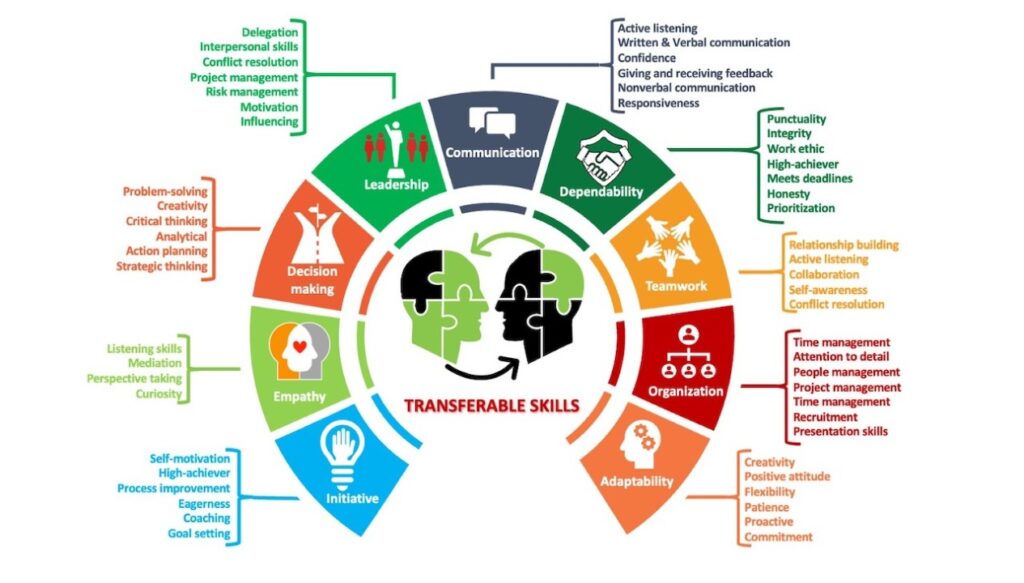
Students need to focus on building a different set of capabilities.
Critical thinking becomes essential because AI can generate answers, but it cannot always evaluate context or nuance. The ability to question, analyse, and interpret information is uniquely human.
Emotional intelligence is another major differentiator. Skills like empathy, communication, and leadership are deeply human and increasingly valuable across industries.
Creativity continues to be a powerful advantage. While AI can generate variations, true originality still comes from human insight and imagination.
At the same time, digital literacy and AI awareness are no longer optional. Students don’t need to become programmers, but they do need to understand how technology is shaping their chosen fields.
Finally, perhaps the most important trait is adaptability. The pace of change means that careers will evolve continuously. Students who are willing to learn, unlearn, and relearn will always stay ahead.
Stream-Wise Direction in an AI-Driven World
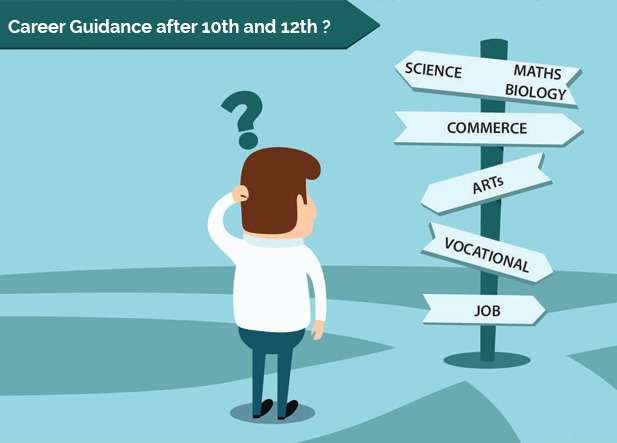
The AI shift doesn’t eliminate streams—it transforms how they are applied.
Science students today have opportunities far beyond traditional medicine and engineering. Fields like robotics, AI in healthcare, environmental data science, and neuroscience are opening new possibilities.
Commerce students are seeing a transformation in finance, marketing, and business through data and automation. Skills in analytics, financial technology, and digital strategy are becoming critical.
Arts and humanities students, often underestimated, may actually be the most future-ready. Understanding human behaviour, storytelling, communication, and design thinking are skills that technology companies increasingly rely on.
The key is no longer the stream itself—but how students combine domain knowledge with modern skills.
What Students Can Start Doing Today
Awareness is useful, but action is what creates clarity.
School students can begin by exploring their interests through projects, reading beyond textbooks, and building communication skills early. Exposure matters more than perfection at this stage.
For those in higher secondary, decisions around streams and college preparation should be based on a mix of interest and future relevance—not peer pressure. Internships, certifications, and real-world exposure can make a significant difference.
College students, meanwhile, need to go beyond their degrees. Building practical skills, working on projects, networking, and gaining industry exposure are essential steps toward staying competitive.
A Note for Parents
For many Indian parents, “safe careers” have traditionally meant engineering or medicine. But in today’s world, safety doesn’t come from a specific profession—it comes from a child’s ability to adapt, think independently, and continuously grow.
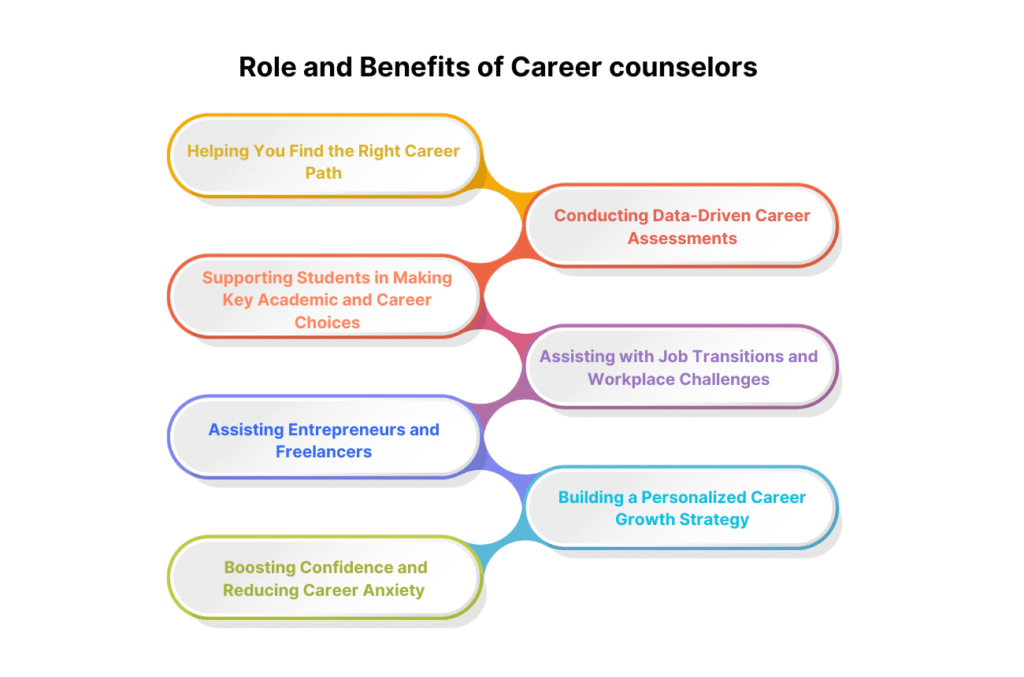
Encouraging exploration, supporting skill development, and seeking professional guidance can make a meaningful difference in helping students navigate this uncertain landscape.
The Bigger Picture: Preparing for Change, Not Just a Career
The future of work is not fixed. It is constantly evolving.
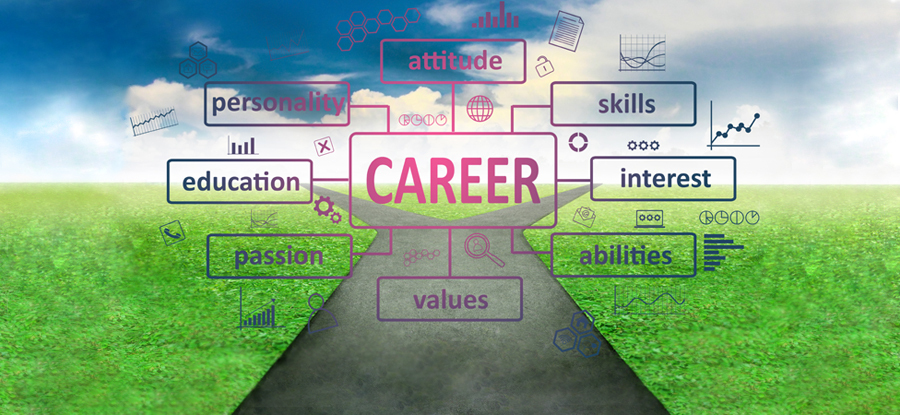
No one can accurately predict which careers will dominate in the next 10 or 20 years. But one thing is certain—students who are curious, adaptable, emotionally intelligent, and technologically aware will thrive regardless of how the world changes.
At Hashtag Counselling, the focus is not on giving students a rigid career path, but on equipping them with the clarity and tools to navigate any path they choose.
Because in a world driven by AI, the ultimate advantage is not certainty—it is preparedness.
Ready to Take the First Step?
If you’re feeling unsure about your career direction—or want to make more informed decisions in an AI-driven world—this is the right time to seek guidance.
Book a consultation with Hashtag Counselling and start building a future that works for you.